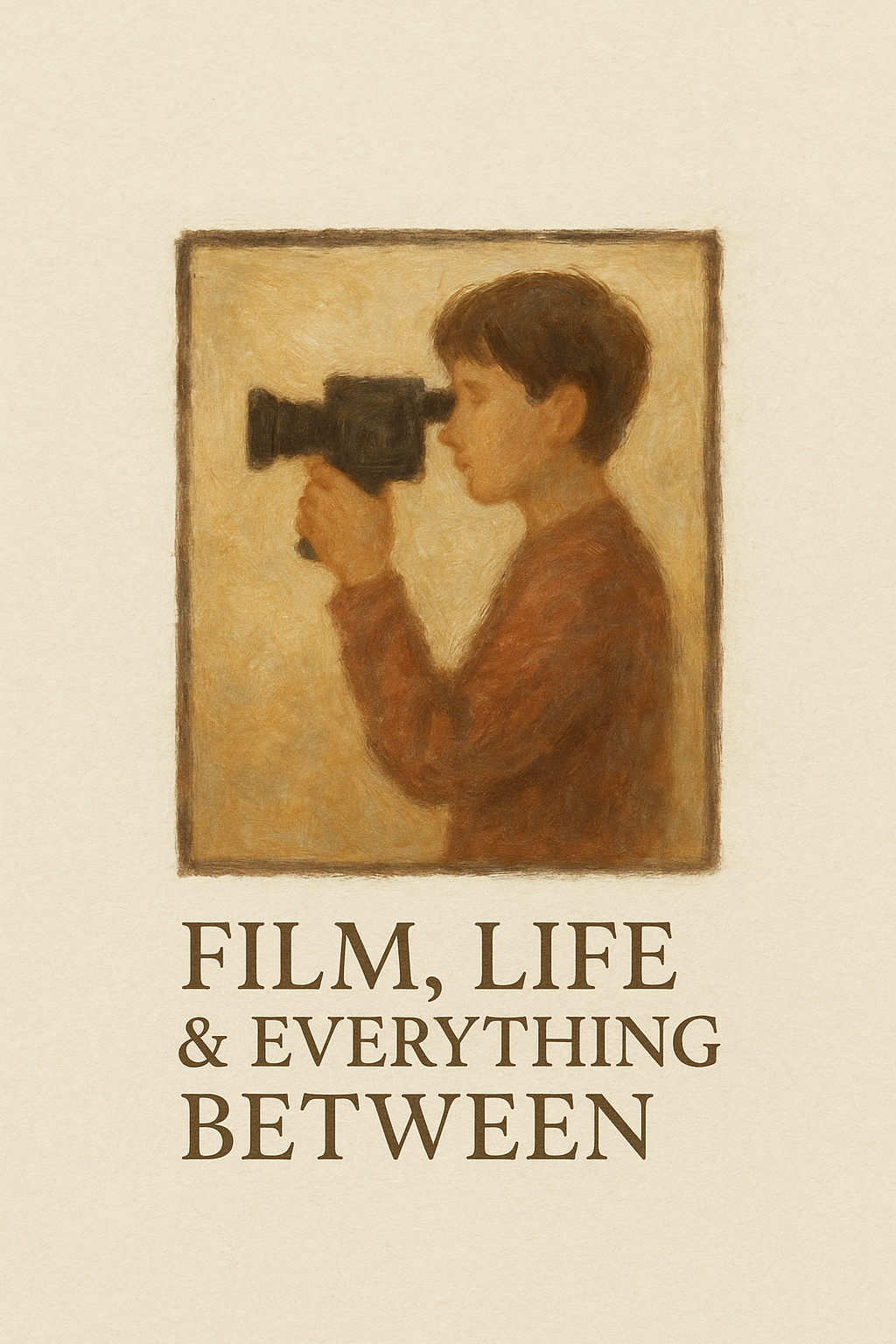

cinema is not an art which films life; cinema is something between art and life.
– Jean-Luc Godard
i stopped watching regular channels on my TV a long time ago, thanks to all the streaming platforms. but last sunday, unable to find anything to watch, i sat in the living room watching ala vaikuntapuramulo along with my dad on gemini tv. i enjoyed watching the movie after quite a bit of time. and that got me thinking, when was the last time i really enjoyed a classic telugu commercial cinema after ala vaikuntapuramulo?
I am really tired of the “pan india” syndrome telugu cinema has been going through for quite some time. The idea that dubbing films into multiple languages and making music in those languages is enough to reach a wider audience is deeply misguided. i can count on my fingers the number of films That’ve done well across all of india.
When was the last time a big Telugu star’s film wasn’t built around a “saviour” complex, where the hero has to carry the weight of society and humanity on his shoulders? It’s not that I don’t enjoy these films; some of them genuinely work. But after a point, the repetition sets in. The same bloodshed, the same elaborate world-building, the same emotionally burdened protagonist who must save people, save society, and somehow save himself. It stops feeling exciting and starts feeling exhausting. I’m not rejecting this kind of cinema, I’m just tired of seeing the same emotional state repeated again and again.
There was a time when the Telugu commercial hero was allowed to simply exist. He could be playful, romantic, and confident, someone who enjoyed being alive. He could be serious when the moment demanded it, defeat the villain, and still sing songs, dance, fall in love, and have fun along the way. He wasn’t constantly weighed down by the emotional state of the world around him. I miss that Telugu cinema hero.
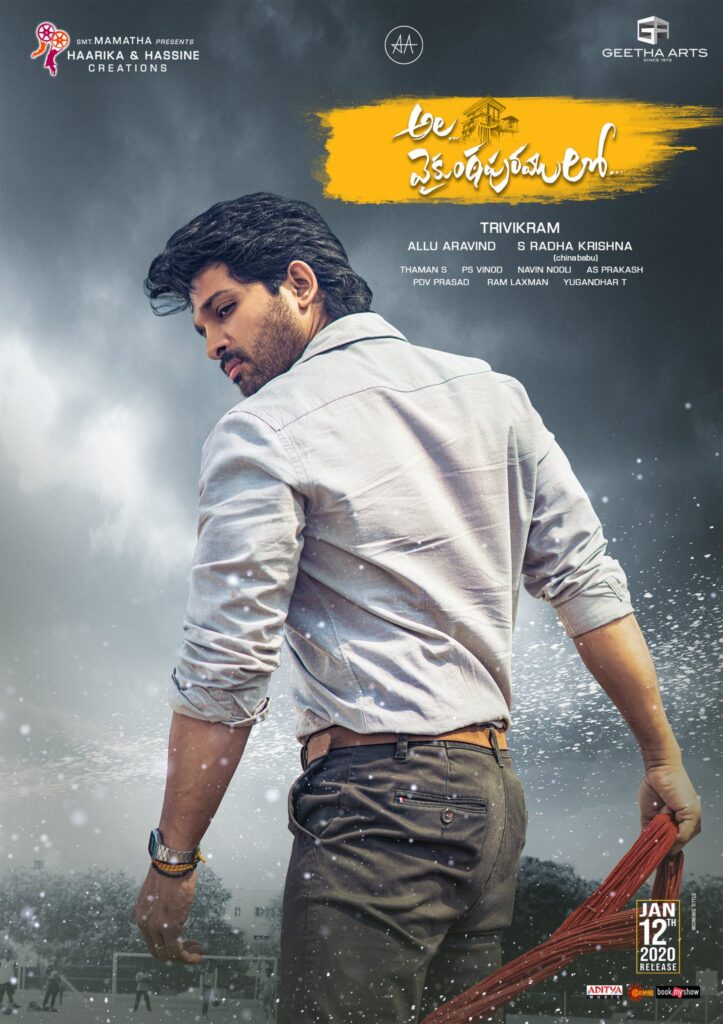
I think Ala Vaikuntapuramulo was one of the last films to get this right. Bantu isn’t trapped in a single emotional state; he’s a pressure cooker ready to pop. He dances, sings, and fights for his sister’s chunni. He’s angry at his judgmental, crude father, yet playful enough to flirt with his boss and woo her. The film allows him to move between emotions instead of weighing him down with constant seriousness.
Even though I’m not a big fan of the plot point that revolves around the female protagonist’s legs, barring that, the film delivers everything it promises. A beautiful soundtrack, witty and rhythmic dialogue you expect from guruji’s film, and an Allu Arjun who feels completely in sync with the material. He isn’t burdened with saving society or fixing the world. He gets to be playful, thrash the bad guys when needed, and still win his family back.
Even this kind of cinema had its own stagnation and repetition. But when it worked, it connected instantly, because the protagonist was relatable, someone you could root for and live through. That was Telugu commercial cinema’s greatest strength. Today’s big, pan-India films are designed to build worlds and pull you in as a spectator, to watch the hero, from outside.
I miss the Telugu cinema that invited you to step inside the protagonist’s life, to walk with him, laugh with him, become him and go on that journey together.