
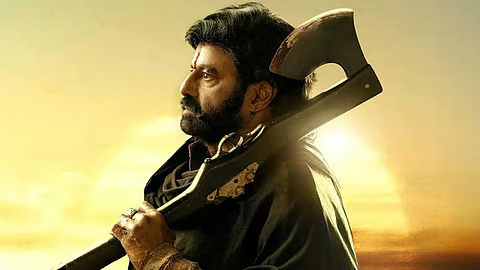

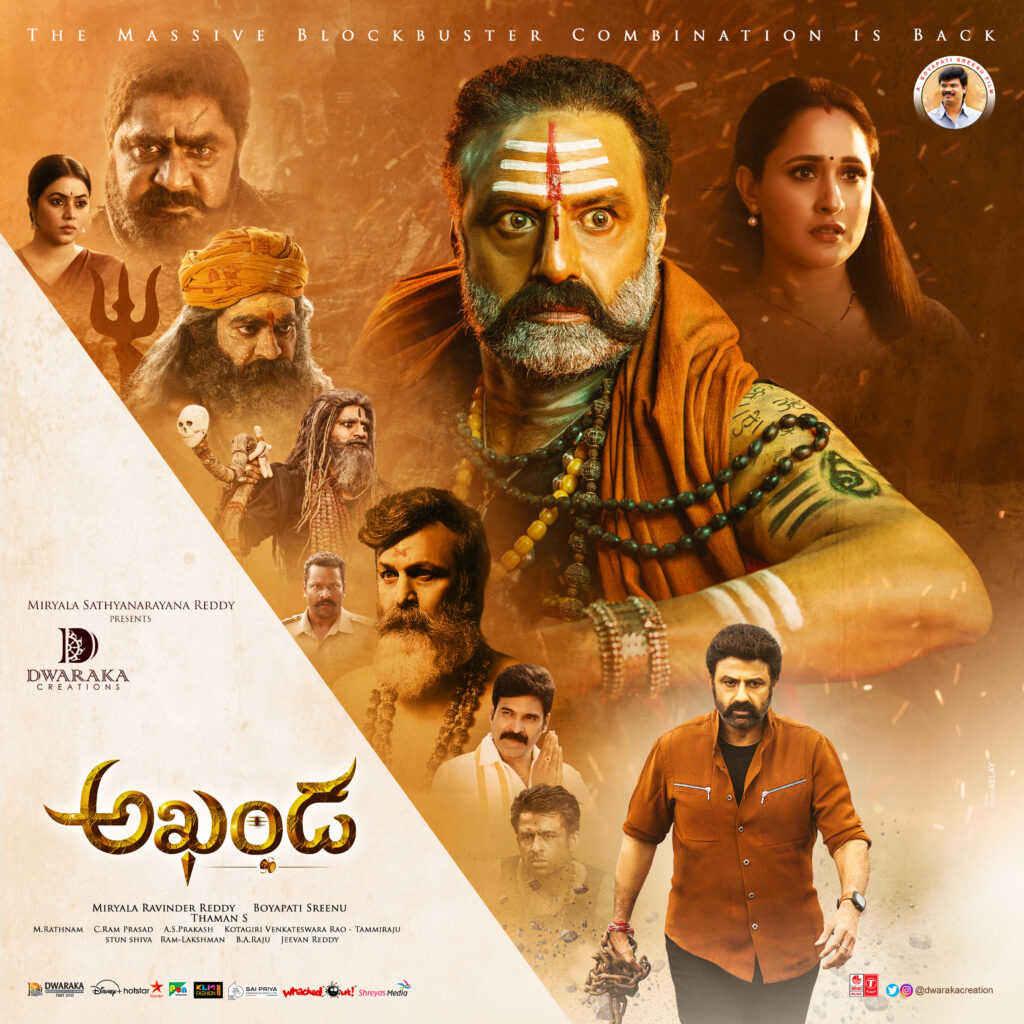
Okay, i know, i know that you have mixed feeling about akhanda 2, so do i. Watching Akhanda 2 unexpectedly took me back to December 2021, when Akhanda first made me rethink what Balakrishna could still be on screen.
From 2010 to 2021, it’s fair to say that Ballaya went through a turbulent phase as an actor. Barring a few notable films, Simha, Sri Rama Rajyam, Legend, and Gautami Putra Satakarni, most of his films during this period failed at the box office and were met with poor critical reception. the issue often seemed less about Balakrishna himself and more about how he was being used. Many of these films leaned heavily into the familiar image audiences associated with him, prioritizing boring mass moments over character, story, and intent.
this problem didn’t exist only with ballaya; it happened at a time when telugu cinema was going through it’s own transformation. From around 2015, Telugu cinema began to change shape. New filmmakers emerged, audiences were open to unconventional storytelling, and the grammar of mainstream cinema started shifting. In the middle of this transition stood Balakrishna, a star whose film language still belonged to an earlier era. While his contemporaries adapted in different ways, with Chiranjeevi stepping away from films for a period, and actors like Venkatesh and Nagarjuna consciously slowing down and becoming more selective, Balayya continued to operate at the same pace, within the same framework.
coupled with the increase of meme culture in telugu states, internet started making fun of ballaya and his choices, and frankly, it was sad. watching a star of his stature be reduced to a joke felt less amusing and more unfortunate.
What Ballaya needed at this point wasn’t just a hit, but a reset. A way to move away from the perception of a star stuck in the past and reassert himself as a living, relevant presence within the Telugu popular culture. More than reinventing his image, he needed to reclaim authority over his name, his screen presence, and his identity as a performer.
and he did that, in 2021.
I still remember watching Akhanda in December 2021 with almost no expectations. The previous Balayya release had been Ruler, and I walked in assuming this would be yet another familiar Boyapati–Balakrishna commercial potboiler. What followed surprised me, not because the structure was unfamiliar, but because of how strongly it landed. Anyone who has watched Balakrishna’s films long enough knows the structure: the beginning, the interval, and the inevitable reveal of a second Balayya. Even with that expectation in place, by the time the interval arrived, I was completely glued to the screen.
What begins as a fairly standard mass film slowly turns into something epic, almost mythic. In that interval stretch, Balakrishna feels less like a character and more like an aura, almost possessed. He doesn’t dominate the frame with loud dialogue, but with sheer presence. Thaman’s score, the shot composition, the setting, and the lead-up to the second Balayya all come together in a way that feels genuinely magical. It almost felt like Ballaya was telling the audience without words, this is what I am capable of, now come see me perform. It felt less like a star announcing himself and more like a performer showing his range. From that moment on, the perception around Ballaya began to change.
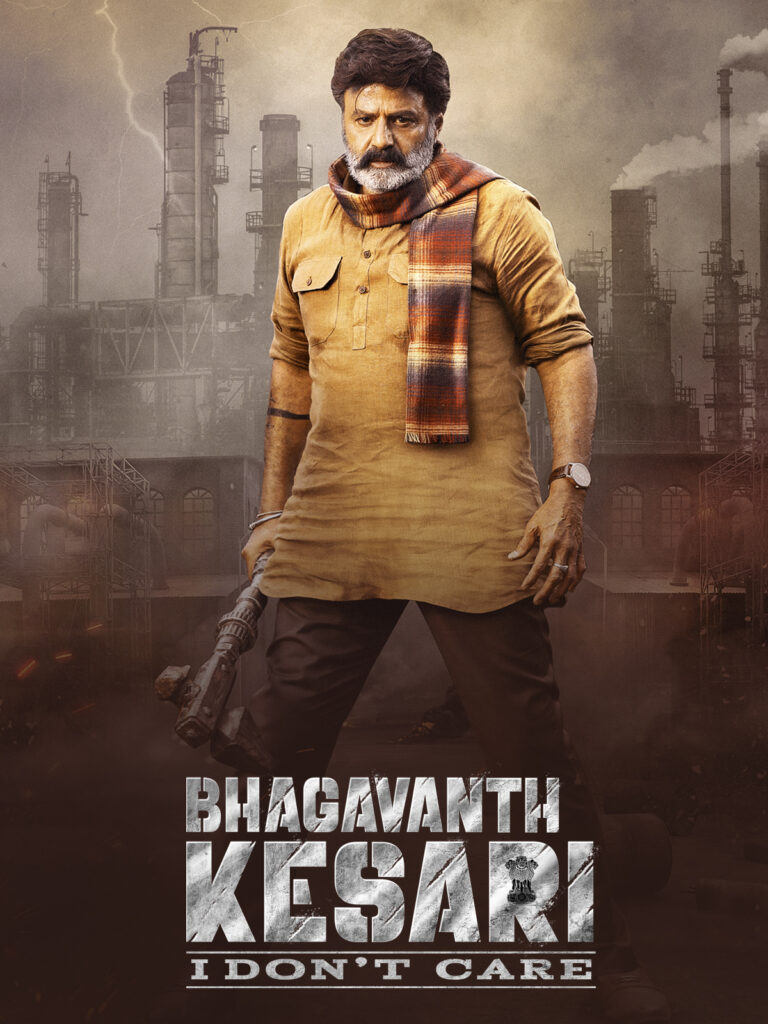
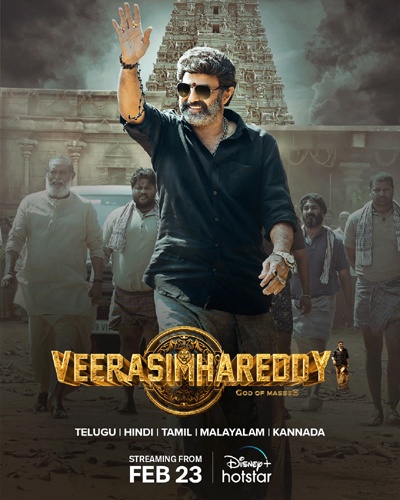
from there on, Ballaya has made bhagavanth kesari, veera simha reddy, daaku Maharaj and akhanda 2 along with hosting his own talk show, unstoppable. all the films fared pretty well at the box office, daaku maharaj being my favorite. they reclaimed his position as a star who can perform, take risks and still be fun.
Somewhere between these films, Balakrishna stopped being a memory and became a part of the present again.